
Malware is any software written to damage a device, steal data, or hijack how your system works — and it still spreads through the same everyday routes: sketchy downloads, malicious email attachments, fake updates, and compromised websites. A good malware removal tool detects those threats, cleans up an infection, and helps stop the next one. This guide covers the five malware removal tools most Windows users actually reach for in 2026, plus a few solid alternatives, and how to combine them without slowing your PC to a crawl.
Why does your PC need a malware removal tool?
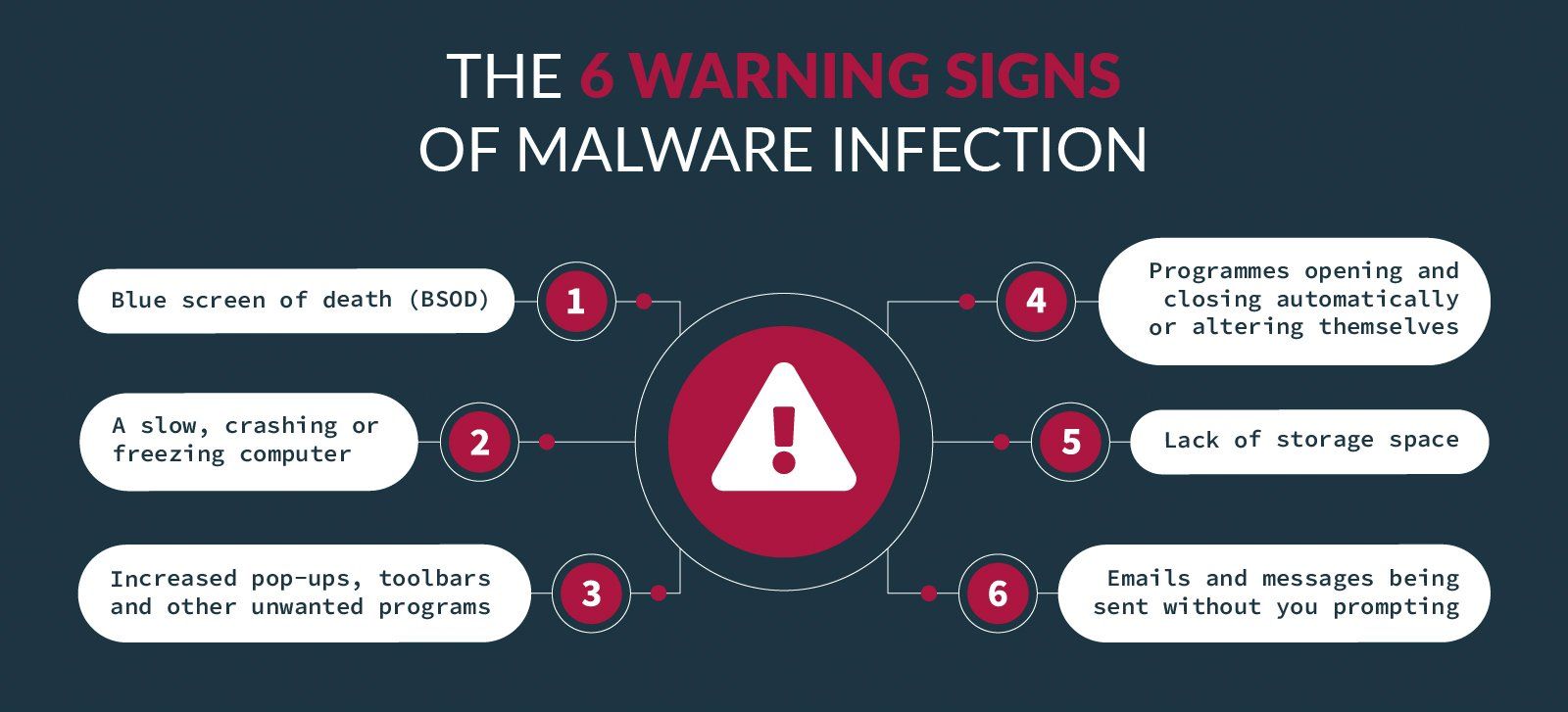
For most people and organizations, the data on a machine is worth far more than the machine itself. Malware can quietly steal passwords and banking details, encrypt your files and demand a ransom, or turn your PC into part of a botnet without any obvious symptoms. A dedicated removal tool matters because infections often slip past a single layer of defense: a resident antivirus might miss a freshly repackaged threat that an on-demand scanner catches, and vice versa. Running both real-time protection and a periodic second-opinion scan is the cheapest, most effective habit you can build.
What are the main types of malware?
Knowing what you are dealing with helps you pick the right tool. The most common categories are:
- Trojan horse: disguises itself as a legitimate download or update, then captures, modifies, or destroys data once it runs.
- Spyware: hides on a system to monitor browsing, keystrokes, or account activity and quietly ships the data back to an attacker.
- Ransomware: encrypts your files and demands payment to unlock them — one of the most damaging and fastest-growing threats.
- Adware: floods you with pop-ups and redirects, often bundled with free software.
- Botnets: quietly enlist your machine into a network used to send spam, mine cryptocurrency, or launch attacks.
- Wiper malware: deletes or corrupts data outright, purely to destroy it.
Worms, scareware, cryptomining malware, and classic viruses round out the list. The five tools below handle the overwhelming majority of these.
Top 5 malware removal tools for Windows in 2026
1. Microsoft Defender (Windows Security)
Microsoft Defender is the antivirus already built into Windows 10 and Windows 11 — nothing to download, nothing to buy. It runs real-time protection, pulls cloud-delivered definition updates automatically, and includes a firewall, SmartScreen web filtering, and ransomware protection through Controlled Folder Access. Independent testing labs now rank Defender alongside the best paid suites for detection, and because it is native to Windows it has a very light performance footprint.
For a large share of home users, leaving Defender enabled and keeping Windows updated is genuinely enough. If you install a third-party antivirus, Defender steps aside automatically to avoid conflicts, but you can still trigger an offline scan from Windows Security to catch stubborn, boot-time infections.
2. Malwarebytes Free
Malwarebytes Free is the tool to run when something has already slipped through. It is a manual, on-demand scanner built specifically to find and remove deeply embedded infections, potentially unwanted programs (PUPs), adware, and spyware that traditional antivirus sometimes misses. Because the free edition does not run in the background, it plays nicely alongside Defender or any other resident antivirus — it is a companion, not a replacement.
Installing it starts a 14-day trial of Malwarebytes Premium (which adds real-time protection and scheduled scans); after that it reverts to the free on-demand scanner. For most people, keeping the free version around and running a full scan whenever a machine feels off is the right call.
3. Avast Free Antivirus
Avast Free Antivirus (and the newer Avast One Basic bundle) offers full real-time protection: file, web, and email shields, plus a Wi-Fi network inspector, all backed by one of the largest threat-detection networks in the industry. It is available for Windows, macOS, and Android and is a strong pick if you want a free all-round antivirus rather than just a cleanup scanner.
One honest caveat: Avast is now owned by Gen Digital, and in 2024 the FTC settled with Avast over past sale of users' browsing data. The current products are cleaner on privacy, but review the settings if data collection matters to you.
4. AVG AntiVirus Free
AVG AntiVirus Free shares the same detection engine as Avast — both are part of Gen Digital following AVG's 2016 acquisition by Avast and the 2022 merger with NortonLifeLock. In practice that means comparable protection with a different interface. You get real-time scanning, a web shield that checks links before pages load, email protection, and automatic updates, free for Windows, macOS, and Android. Pick AVG or Avast based on which UI you prefer; running both at once is redundant.
5. Windows Malicious Software Removal Tool (MSRT)
The Windows Malicious Software Removal Tool is a free, Microsoft-built utility that targets specific, widespread malware families and reverses the changes they make. Microsoft releases an updated MSRT on the second Tuesday of each month (Patch Tuesday), and it arrives silently through Windows Update. It runs quietly in the background and only surfaces a report if it actually finds and removes something after your next restart.
MSRT is a targeted cleanup tool, not a real-time antivirus — it will not protect you between monthly runs. You can also launch it manually by running mrt.exe from the Start menu and choosing a full scan for a deeper check.
How do these malware removal tools compare?
| Tool | Type | Real-time protection | Best for | Cost |
| Microsoft Defender | Full antivirus (built-in) | Yes | Everyday baseline protection | Free |
| Malwarebytes Free | On-demand scanner | Premium only | Second-opinion cleanup | Free |
| Avast Free Antivirus | Full antivirus | Yes | Free all-round protection | Free |
| AVG AntiVirus Free | Full antivirus | Yes | Free all-round protection | Free |
| Windows MSRT | Targeted removal tool | No | Monthly cleanup of common threats | Free |
What other malware removal tools are worth knowing?
- Spybot – Search & Destroy: a long-running anti-spyware and adware scanner with a free edition, plus browser "immunization" that blocks known tracking and malicious domains.
- Bitdefender Antivirus Free: a lightweight, highly rated free real-time antivirus for Windows with minimal configuration.
- Sophos Home Free: free scan-and-remove protection for Windows and macOS, managed from a web dashboard.
- Kaspersky Virus Removal Tool: a capable free on-demand scanner — but note that US regulators prohibited the sale and updating of Kaspersky products in the United States as of September 2024, so US users should choose one of the alternatives above.
How should you set up malware protection?
You do not need five tools running at once — that just wastes memory and can cause conflicts. A practical, low-overhead setup looks like this:
- One resident antivirus. Keep Microsoft Defender on, or install one third-party antivirus (Avast, AVG, or Bitdefender) — never two at the same time.
- One on-demand cleaner. Keep Malwarebytes Free installed and run a full scan whenever your PC behaves oddly or after a risky download.
- Let MSRT do its monthly pass. It arrives automatically through Windows Update; no action needed.
- Update everything. Most infections exploit outdated software, so keep Windows, your browser, and your tools patched.
That combination gives you layered defense — real-time protection plus a periodic deep clean — without doubling your background CPU load.
FAQ
Is Microsoft Defender enough on its own?
For most home users with safe browsing habits, Microsoft Defender plus regular Windows updates is genuinely sufficient. It scores near the top in independent lab tests. Pairing it with an occasional Malwarebytes Free scan covers the edge cases Defender might miss.
What's the difference between an antivirus and a malware removal tool?
An antivirus like Defender or Avast runs continuously to block threats in real time. A removal tool such as Malwarebytes Free or MSRT is usually run on demand to find and clean an existing infection. The best protection combines both: one resident antivirus and one on-demand cleaner.
Can I run two antivirus programs at once?
No — two real-time antivirus programs can conflict, flag each other, and slow your PC. Run only one resident antivirus. On-demand scanners like Malwarebytes Free and MSRT are the exception, since they do not run in the background and are safe to keep alongside your main antivirus.
Are free malware removal tools safe to use?
The tools listed here are from established, reputable vendors and are safe when downloaded from their official websites. Avoid "free antivirus" ads from unknown sites, which are a common way malware itself spreads. Always download directly from the vendor's own domain.
How do I remove malware that's already on my PC?
Disconnect from the internet, boot into Safe Mode if the machine is badly affected, then run a full scan with Malwarebytes Free and your antivirus. For persistent, boot-level infections, use the offline scan option in Windows Security (Microsoft Defender), which runs before Windows fully loads.